#3 Shouting “Lager, Lager, Lager”

Rochestown-Park-Hotel-entrance
Rochestown Park Hotel, Cork, Ireland

The year is 1995, it’s summer time and my mother was sick of looking at me hanging around the house so she did what mothers do and organised a job for me “Thanks Mom”. The four Star Rochestown Park Hotel was where I cut my gastronomical teeth and began to work with beer for the first time.

The international brands like Carlsberg, Heineken and Budweiser (American) were the bigger sellers on the lager front and of course Guinness, Murphy’s and Beamish stout plus Bulmers cider were all popular choices too. Additionally Smithwicks was also available on draught but was a slow mover to put it kindly. That Summer I learned about hard work, customer service and the social skills that to this day prove very valuable but ironically, I didn’t learn much about beer.

So lets talk about beer and specifically lager and the three guys who are responsible for what has become the worlds most popular style. Firstly and most importantly what differentiates lager from other beers like IPA, porter or belgian blonde is the type of fermentation which is known as “bottom fermentation”. It really just means that a specific type of yeast “Saccharomyces pastorianus” is used to ferment at a relatively low temperature somewhere between 7 and 15 degrees centigrade and it takes that bit longer ( usually in total 4 to 6 weeks) untill you have a wonderfully refreshing drink. Also worth noting is the german verb “Lagern” means to store, referring to the longer fermentation and maturation process.

img_blq_hefezentrum_03
Bottom fermenting yeast from Weihenstephan in Germany


The people in the know say that lager was invented in the first half on the 19th century  and if my memory serves me right, probably in the 1830s and was pioneered by Gabriel Sedlmayr of the bavrian, Spaten brewery. The lager that was produced is something similar to the modern-day “Dunkles” that is still widely available in southern Germany and central europe. By 1840 Anton Dreher was also brewing an Amber coloured lager at what is now the Schwechater brewery near to Vienna, Austria. The style has seen a recent resurgance in popularity possibly as a crafty option for those who dont favour hoppy, aromatic, bitter beers. Of all the original lager styles, it is the golden lager first produced by Josef Groll in Pilzen (modern day Czech republic) in 1842 that has flourished internationally. The original brand Pilsner Urquel is still much-loved world-wide and is an amazing beverage especially when poured directly from Tank “Tankovna” (It is important to mention that the soft water in Pilzen was a key element in the development of the style) and is the inspiration for so many of the golden lagers we see today.
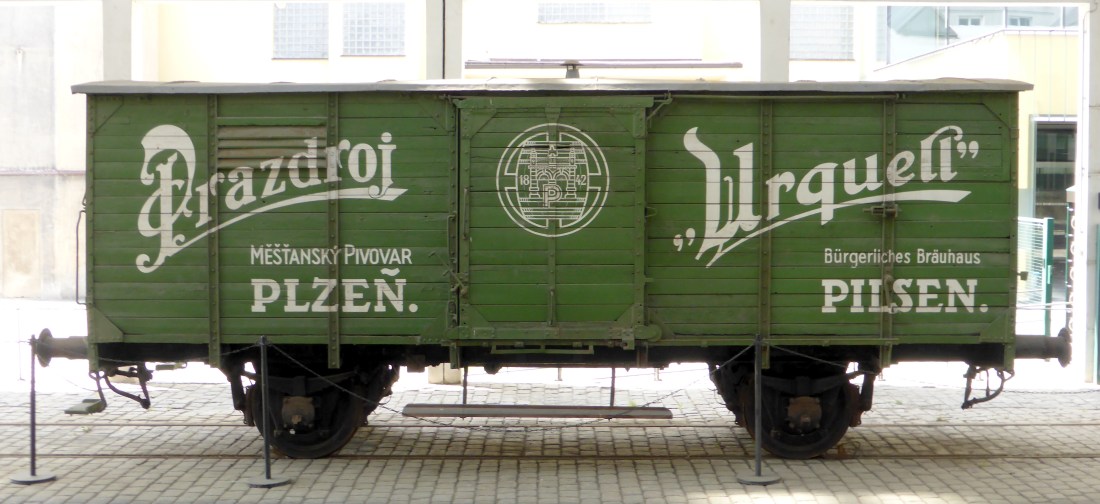
Pilseno,_bierfarejo,_historia_vagono,_1
Traditional Pilsner Urquel freight carriage

When talking about craft beer, the conversation often starts with IPA’s moves on to barrel aged strong beers (with brett or maybe not) and recently seems to include sour and spontaneously fermented fruit beers, but where does lager fit in? The answer for me is the little creative subtleties of maybe dry hopping a pilsner with a fruity american hop like citra or as mentioned previously a Vienna Style lager that could be unfiltered, an imperial lager (higher in alcohol content)  balanced with a nice bitterness or maybe a hybrid style like California Common.

When talking to brewers, importers and beer geeks in general, the consensus is that the golden lager when brewed correctly is not only one of the most amazing beer styles, it’s also one of the most challenging from the brewers perspective. Get it right and its so rewarding but get it wrong and it leaves you with no place to hide.
 

ci_662
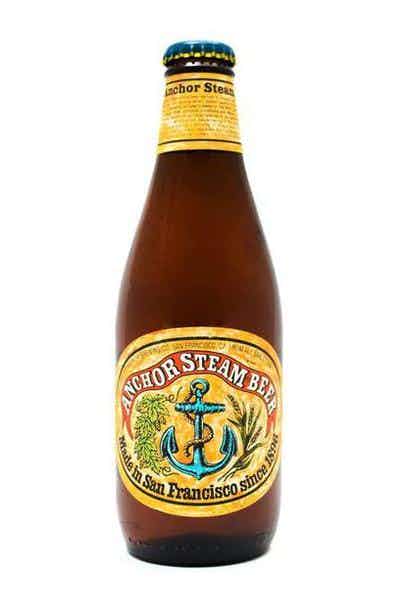
The worlds best known California Common “Anchor Steam Beer”

I hope you have enjoyed reading my blog. Please feel free to post, comment, give feedback or totally disagree with me. I would love to hear from you.

Cheers!

Darren
 

#2 Beer memories

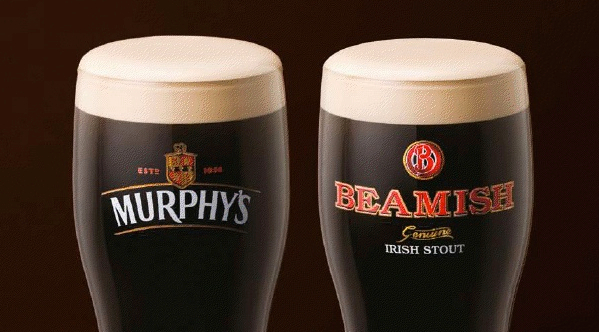
B2-stouts-together-edit-1

Nobody can tell the future with the exception of Nostradamus of course but in the process of  trying to understand the role of beer in society today,  I thought it prudent to start in the past to see what I could learn. I’m not even going to try to explain the history of beer as it would take way to long and to be honest it’s all been said before but instead I got to thinking about a snapshot of my own personal history and my first memories of beer.

As I was growing up in Cork on the south coast of Ireland in the early 1980s, people drank stout. I remember my father drinking stout, my grandfather drinking stout, it was part of their identity, irish men of a certain age drank pints of dark, creamy, bitter ale. The local brews, Murphy’s and Beamish were favoured by the more traditional drinker “buy local”, while Guinness even though accepted, was viewed with a certain amount of scepticism in some quarters due to its production in Dublin (West britain?). A glass of stout sometimes with the addition of blackcurrant cordial was many ladies drink of choice and even recommended as a good source of iron during pregnancy.

These days stout or irish stout to be exact has become  intertwined with the fabric of irish society and is viewed as our national beverage mainly due to the marketing geniuses at Guinness but is it really our drink?  I think the answer is most definitely yes but the origins lie according to historians ( ok a little bit of history )  in a drink called porter that was first produced in London in about 1730. Porter, an ale that may have varied in colour from pale to brown, who some say even started out as a mixture or cuvee if you like of fresher and older beers was first brewed in Ireland in around 1787. Stout (stout porter), brewed from unmalted roasted barley was its predecessor and if the records are to be believed, was a similar beer just stronger in alcohol content.

In more recent years with the onset of globalisation, open market economies and cheaper airfares the world has changed and so has my view of Stout. In the early 2000s I tried my first non Irish version of what I thought was our beer. An oatmeal stout brewed in Austria at the 1516 Brewing Company that I believe is till available seasonally and goes by the name of “Eejit Stout” cheekily paying homage to the emerald isle.  It was different for sure and it was great.

Of course other nations besides the British and Irish have a tradition of brewing stouts and porters too. Russian Imperial stout and Baltic porters have been around since the 18th century and the Polish brew a pretty mean version of what has become one of my favourite styles, but has stout evolved has it moved with the times?

The answer in my humble opinion is a definite yes and this is for the most part due to the amazing people involved in the Craft Beer movement. Regional independent breweries of different shapes and sizes all around the world have become super creative not just with the beers they are brewing but the artwork, branding and packaging reflecting the more contemporary culture of  modern society . Have you ever tried a marshmallow stout brewed in Wales or an Imperial stout with liquorice and Chilli made in Belgium ? What about a japanese espresso stout or a german chocolate porter. Craft beer challenges the traditional styles with admittedly varying degrees of success but has definitely brought so much fun and curiosity back into beer drinking.

Feel free to comment, give feedback or totally disagree with my opinions and or add your own thoughts and views, I’d be delighted to hear from you.

Cheers!

Darren


#1 Whats all this about beer?

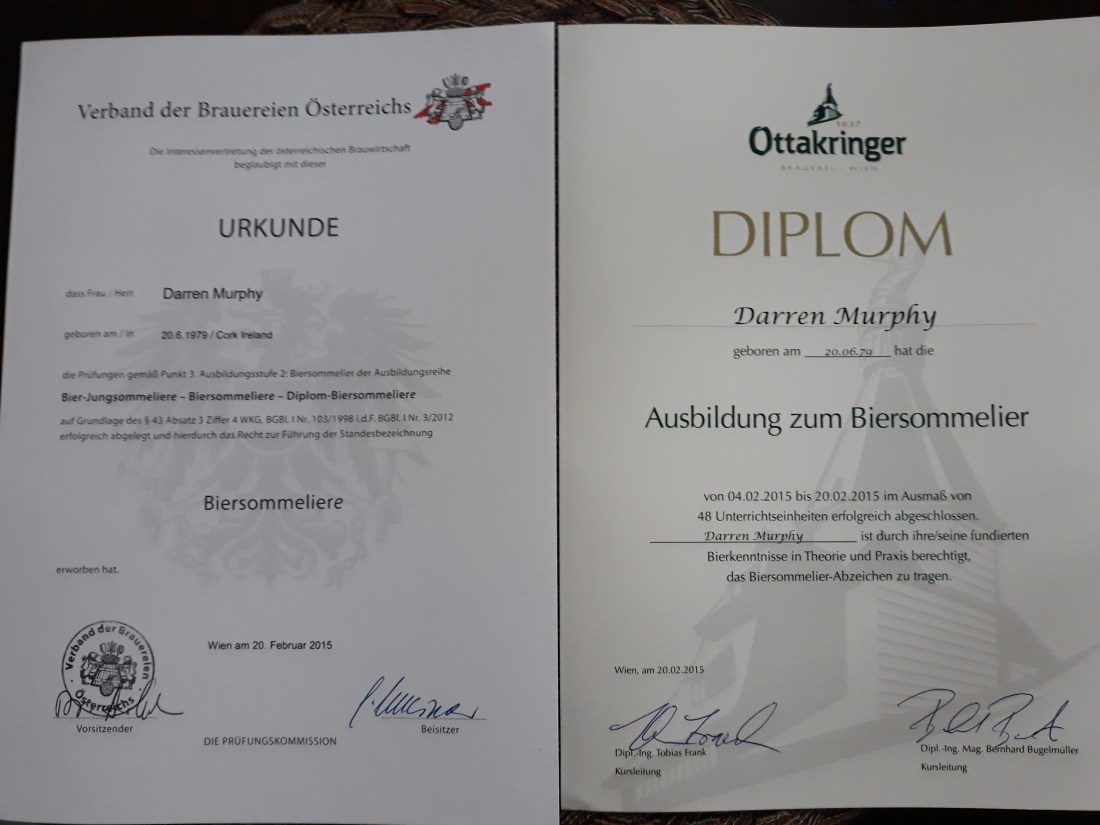
Biersommelier (1)
This is when this thing got serious

So where do I begin?  Lets start in Vienna Austria, the heart of Europe, where drinking beer is a part of every day life. So much so that the city even has a beer style named after it,  ” Wiener lager”  but lets come back to that at a later date.

I have had the privilege to spend many years here eating, drinking, working and living in this historical city and I got so into beer that I even have a formal education on the subject.

Beer is for drinking though right?  a bottle of beer after work, or a few pints at the weekend with friends…….but you know what, beer is not just beer anymore, at least I dont think so. So what is beer or maybe the more accurate question is, what has beer become?

Lets think about that one and pick it up next time.

Cheers!